
10 Common Blogging Mistakes That Kill Traffic
Author:Manoj Prabaker
Date:Jun 24, 2026

Starting a blog is easy today. But driving consistent, meaningful traffic is where most businesses struggle. Blogging isn’t just about hitting “publish.” Small mistakes in content strategy, SEO, or promotion can snowball into lost rankings, wasted effort, and frustrated readers.
In this guide, we’ll walk through 10 common blog mistakes that silently kill traffic and how you can avoid them. Whether you’re running a personal blog, a business blog, or a content-driven website, fixing these errors can dramatically improve visibility, engagement, and conversions.
Why does this mistake happen
Many bloggers write about what interests them instead of what their audience searches for. Some pick keywords at random or target only high-volume phrases, ignoring whether the content matches the searcher's intent.
Why does it kill traffic?
If your content doesn’t match what people search for-or their intent-it won’t rank, regardless of quality. Search engines reward relevance. Without it, your post remains invisible.
Signs you’re making this mistake
How to fix it
Why does this mistake happen
AI tools have made it easier than ever to produce blog posts quickly. The problem is that many businesses hit “generate” and publish without editing, adding insights, or expanding the content. Others try to pump out short, surface-level articles just to fill the blog.
Why does it kill traffic?
Google’s algorithm is smarter than ever. In 2025, it rewards depth, expertise, and original value. Thin posts (under 800–1,000 words, or with no unique insights) rarely rank. Pure AI content, without a human touch, often lacks nuance, accuracy, or personalization. Readers can tell when a post is generic, and they’ll bounce-hurting your rankings.
Signs you’re making this mistake
How to fix it
Why does this mistake happen
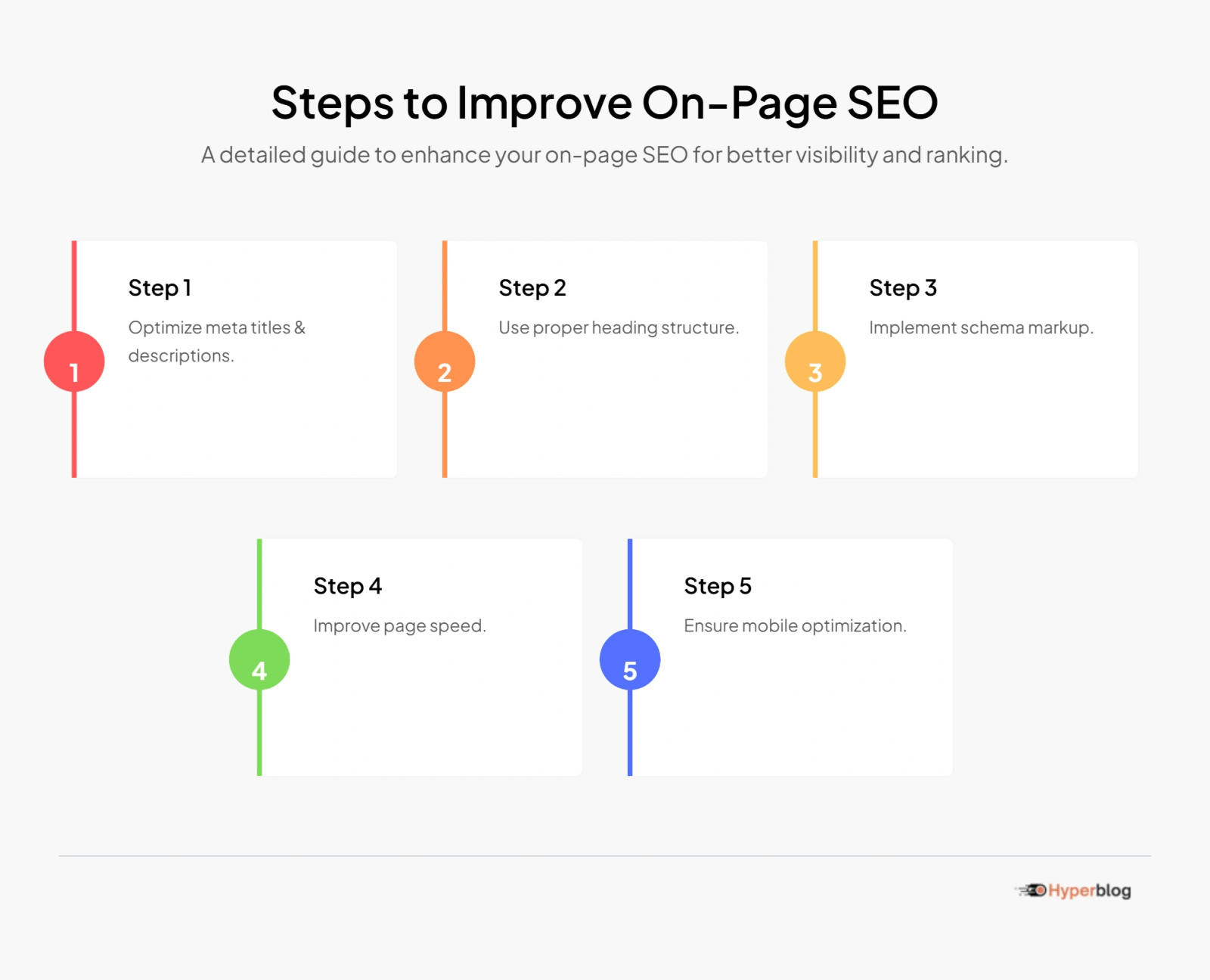
Many bloggers focus entirely on writing content but ignore the technical aspects of SEO. Things like meta tags, proper headings, schema, mobile optimization, and page speed are often overlooked because they feel “technical” or confusing.
Why does it kill traffic?
Search engines can’t rank what they can’t understand or trust. Even a fantastic blog post will struggle to appear in results if:
Signs you’re making this mistake
How to fix it
Why does this mistake happen
Bloggers often focus on content but overlook how easy it is for readers to navigate, read, and interact with the site. Busy layouts, confusing menus, small fonts, slow loading, or inaccessible design elements make readers leave quickly. Accessibility is also often ignored, such as missing alt text for images or a lack of keyboard navigation.
Why does it kill traffic?
Search engines prioritize user experience (UX) and accessibility. Pages that frustrate readers see higher bounce rates, lower dwell time, and reduced rankings. Moreover, inaccessible sites exclude users with disabilities, which not only limits your audience but can also lead to compliance issues.
Signs you’re making this mistake
How to fix it
Why does this mistake happen
Many bloggers write content in isolation, without thinking about how posts connect to each other. New posts are published without linking to related articles or creating a clear hierarchy of topics. This often happens when there’s no content plan or site structure strategy in place.
Why does it kill traffic?
Internal linking is essential for both SEO and user experience. Poor linking makes it harder for search engines to discover and rank all your pages. Readers may also leave quickly if they can’t find related content, reducing engagement and pageviews. Without a clear structure, your blog loses authority and relevance in the eyes of search engines.
Signs you’re making this mistake
How to fix it
Which aspect of blogging do you find most challenging?
Why does this mistake happen
Many bloggers treat a post as “finished” once it’s published. Over time, information becomes outdated, statistics change, links break, and SEO practices evolve. Without revisiting old content, blogs lose relevance and authority.
Why does it kill traffic?
Search engines favor fresh, up-to-date content. Outdated articles may drop in rankings, even if they were once top-performing. Users also notice stale information, which decreases trust and engagement. Neglecting updates means you miss opportunities to reclaim or boost traffic from older posts.
Signs you’re making this mistake
How to fix it
Why does this mistake happen
Many bloggers assume that once a post is published, traffic will automatically follow. They neglect promotion because they either lack a strategy or believe “good content will find its audience.” In the age of AI and content saturation, this assumption no longer holds.
Why does it kill traffic?
Even the best blog posts need visibility. Without promotion, your content competes in a crowded digital landscape and often gets lost. Social media, email lists, collaborations, and outreach are essential for driving traffic and building authority. Ignoring promotion means slower growth, fewer leads, and reduced ROI from your blogging efforts.
Signs you’re making this mistake
How to fix it
Why does this mistake happen
Many bloggers focus solely on generating pageviews, social shares, or search rankings, rather than aligning content with real business objectives. While traffic is important, it doesn’t automatically lead to conversions, leads, or revenue. This often happens when bloggers neglect to define measurable goals or KPIs.
Why does it kill traffic and ROI?
High traffic without a strategy is wasted effort. You may attract visitors who have no interest in your products or services. Even if your blog ranks well, engagement and conversions remain low, meaning your content investment doesn’t translate into business growth.
Signs you’re making this mistake
How to fix it
Why does this mistake happen
Many bloggers start with enthusiasm but fail to maintain a consistent posting schedule. Others post irregularly without a clear content strategy. This inconsistency often stems from a lack of planning, limited resources, or underestimating the time required to produce quality content.
Why does it kill traffic ?
Consistency signals authority to both search engines and readers. Irregular publishing makes it harder to build momentum, reduces audience trust, and can hurt rankings. Search engines favor blogs that regularly publish valuable, relevant content. Without a strategy, you’re likely producing scattered topics that don’t reinforce each other.
Signs you’re making this mistake
How to fix it
Why does this mistake happen
Many bloggers focus on creating content and promotion but fail to track performance. They rely on gut feeling rather than actual metrics, missing opportunities to improve traffic, engagement, and conversions. Some may find analytics tools intimidating, or don’t know which metrics matter most.
Why does it kill traffic and growth ?
Without data, you’re flying blind. Ignoring analytics means you won’t know:
This leads to wasted effort, missed opportunities, and slow growth.
Signs you’re making this mistake
How to fix it
Auditing your blog is one of the most effective ways to improve traffic, engagement, and conversions. It helps you identify common blogging mistakes like weak SEO, thin content, poor user experience, and inconsistent publishing. A thorough audit allows you to see what’s working, what’s holding you back, and where you can focus your efforts for maximum impact.
Step 1: Take Inventory of Your Blog Content
Before you can fix anything, you need a clear picture of all your content. Start by creating a comprehensive list of every blog post, including titles, URLs, publish dates, categories, and word counts.
Step 2: Evaluate Content Quality
Content quality is the heart of a successful blog. During your audit, review each post for:
This step ensures that each post provides real value and meets your audience’s needs.
Step 3: Analyze On-Page SEO & Technical Elements
Even the best content won’t perform if search engines can’t understand or rank it. Review each post for:
Step 4: Check User Experience (UX) & Accessibility
How easy is it for readers to navigate your blog and consume content? Poor UX can frustrate visitors, increasing bounce rates and decreasing engagement. During your audit:
Step 5: Assess Promotion & Engagement
Publishing content is just the first step. Your audit should evaluate how well each post is promoted:
Step 6: Review Analytics & Data
Data-driven decisions are essential for improving your blog. Analyze performance using tools like Google Analytics, Search Console, or heatmaps:
This step helps you understand what works, what doesn’t, and how to focus your optimization efforts.
Step 7: Prioritize Fixes
After gathering all this information, create a plan of action:
Setting a recurring schedule for blog audits every 6 to 12 months is ideal. This keeps your content fresh, SEO-optimized, and aligned with your audience’s evolving needs. Even small updates can have a big impact on traffic and engagement.
Blogging is more than publishing content; it’s a strategic tool to drive traffic, build authority, and support business growth. Avoiding common mistakes, auditing your blog regularly, and aligning content with audience needs ensure each post delivers value.
A consistent focus on quality, promotion, and data-driven decisions transforms your blog into a reliable asset that attracts the right audience and generates results.
1. What is the most common mistake for first-time bloggers?
The most frequent mistake is ignoring keyword research and audience intent. Many new bloggers focus on topics they find interesting rather than what their target audience is searching for. This often leads to low traffic and poor engagement. Conducting proper keyword research ensures your content reaches the right readers.
2. How often should I audit my blog for mistakes?
Ideally, perform a full blog audit every 6–12 months. High-performing posts can be updated more frequently, but a regular schedule helps catch outdated content, broken links, SEO issues, and engagement gaps before they hurt your traffic or authority.
3. Can AI tools help identify blogging mistakes?
The most frequent mistake is neglecting keyword research and search intent, leading to irrelevant content that doesn't attract traffic.
Ideally, perform a blog audit every 6 to 12 months to keep your content fresh and SEO-optimized.
Yes. AI-powered SEO and content tools can analyze posts for keyword gaps, readability, internal linking opportunities, and on-page SEO issues. However, human review is essential to ensure content quality, accuracy, and voice. AI is best used to enhance the process.
Start with your high-value posts, update statistics and examples, and expand the content for depth and relevance.
Not necessarily. Many audits can be done independently using tools like Google Analytics, Search Console, Ahrefs, or SEMrush. However, involving content strategists, editors, or SEO specialists can help you identify deeper issues and implement improvements more efficiently, especially for larger blogs.
Yes. AI-powered SEO and content tools can analyze posts for keyword gaps, readability, internal linking opportunities, and on-page SEO issues. However, human review is essential to ensure content quality, accuracy, and voice. AI is best used to augment your audit, not replace it entirely.
4. What’s the fastest way to fix thin or outdated content?
Start with your top-performing posts that are underperforming. Refresh statistics, add examples, expand sections for depth, and optimize SEO elements. Even small updates-like fixing broken links, rewriting meta descriptions, or adding internal links-can significantly improve traffic and engagement.
5. Do I need a professional team for blog audits?
Not necessarily. Many audits can be done independently using tools like Google Analytics, Search Console, Ahrefs, or SEMrush. However, involving content strategists, editors, or SEO specialists can help you identify deeper issues and implement improvements more efficiently, especially for larger blogs.
Subscribe to Our Newsletter
Stay up to date with our latest news and updates.
Join our readers
No spam. Unsubscribe anytime.